
Creative CX recently ran an experimentation day with Heathrow, bringing together experimentation practitioners and leaders from across the travel and hospitality sector to solve a real customer challenge.
An experimentation workshop like this is a hands-on session where teams use customer research and rapid ideation, rather than long presentations, to develop solutions grounded in evidence rather than assumptions.
Rather than sitting through hours of slides, attendees rolled up their sleeves and worked on a live Heathrow challenge, applying core experimentation techniques to uncover opportunities, generate ideas, and prototype potential solutions.
It’s a format we’ve delivered with clients for years, from an experimentation day hosted at Pizza Hut HQ in Texas to our insights-led workshop with Primark, and one that constantly proves the value of bringing different perspectives together around a shared problem.
Starting with the problem, not the solution
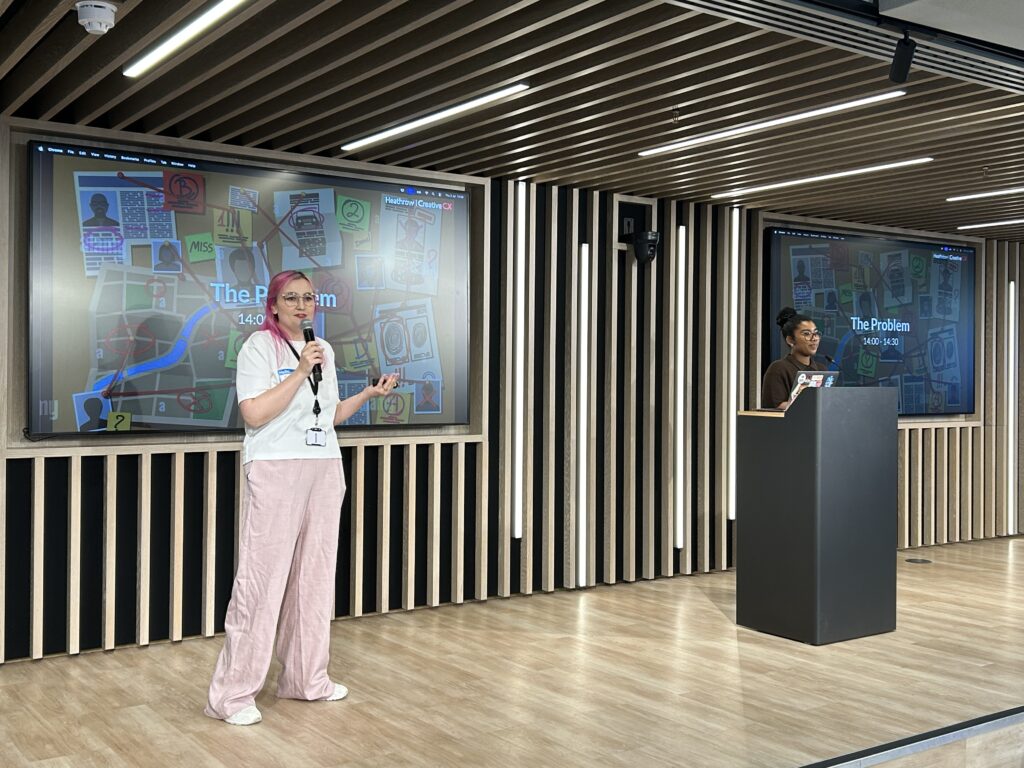
At Creative CX, we believe the strongest ideas come from understanding the problem first.
The session opened with an exploration into customer research, behavioural data, and existing insight to build a clear picture of the challenge. Before anyone touched a solution, the room focused on pinpointing where customers were experiencing friction and which opportunities would move the needle most.
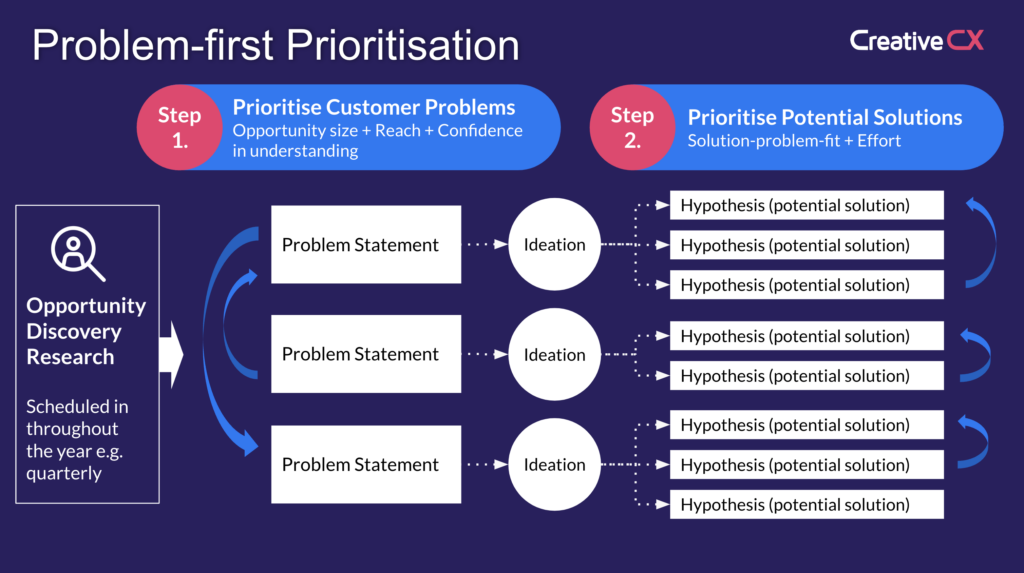
This problem-first approach helps ensure that ideas are grounded in real customer needs rather than assumptions, leading to more meaningful experimentation. We have a more in-depth article on our problem-first approach here if you’d like to find out more.
This approach kept ideas anchored to genuine customer needs rather than guesswork, setting the group up for sharper, more targeted experimentation later in the day.
Through a prior mix of qualitative and quantitative research, we identified a clear customer problem: “Users lack a clear reason to sign in or save their flight details.”
Commercial data already showed that visitors who added their flight details were more likely to spend with Heathrow, making this a clear commercial opportunity as well as a customer one.
From a visitor perspective, user testing revealed a strong desire for real-time flight updates on the day of travel, with users repeatedly returning to the same page across multiple sessions to gather information.
That’s where the friction crept in: flight information was entered differently across different pages of the site and wasn’t saved between sessions unless visitors signed in to My Heathrow. When visitors did see a prompt to save their flight, many ignored it, unsure of what value it actually offered.
Those who did engage were then asked to sign up for My Heathrow, a step that introduced a second barrier for users who didn’t understand what My Heathrow was or why it mattered. By this point, most visitors simply left the site.
With the problem clearly defined, the group focused their ideation on one question: how do you help visitors understand the value of saving their flight and signing up for My Heathrow?
Generating Ideas: Crazy 8s and Paper Prototyping
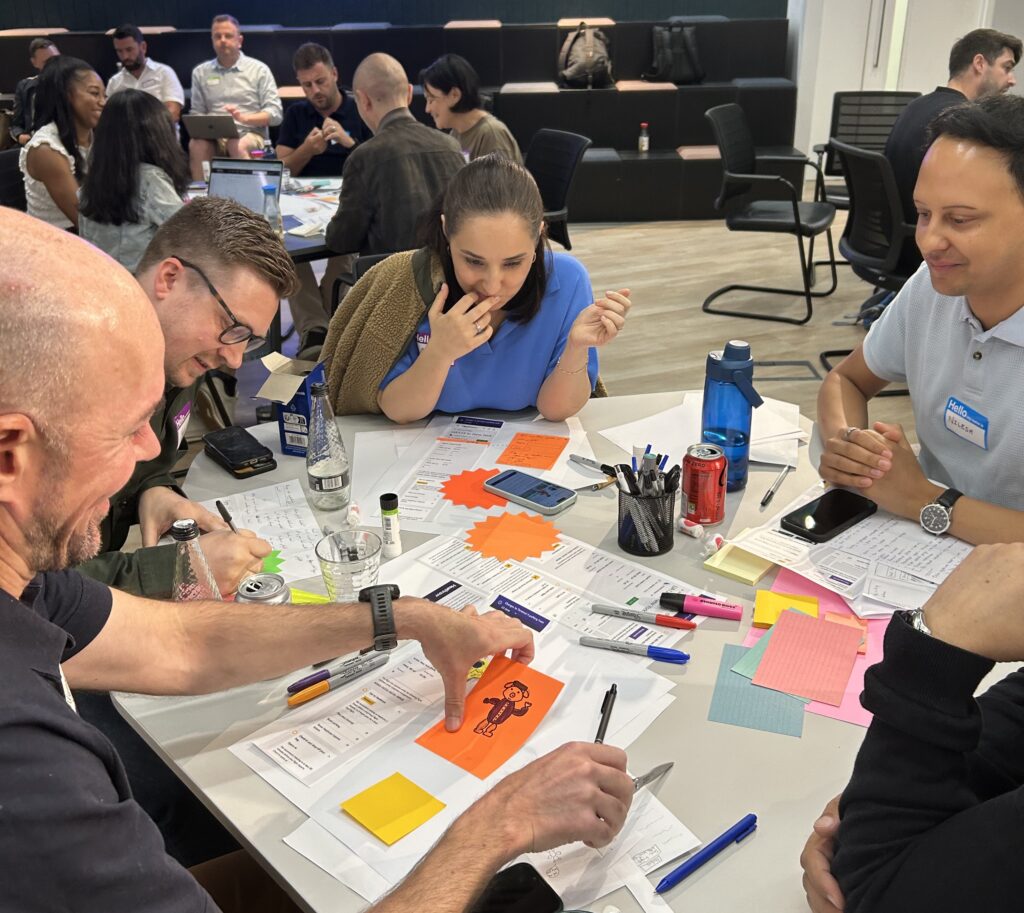
With the problem clearly defined, it was time to start generating ideas.
Teams used Crazy 8s, a fast-paced sketching exercise where each person folds a sheet of paper into eight sections and sketches eight distinct ideas in eight minutes, one per section.
The pace is deliberate: with so little time per idea, there’s no room to second-guess or perfect anything, which pushes people past their obvious first solution and into less predictable territory.
Deliberately low-tech, the exercise is done with pen and paper rather than a laptop or design tool.
Sketching by hand forces a different kind of thinking than staring at a blank screen, engaging the brain more actively than typing or clicking through a template ever could. On paper, there’s no backspace: half-formed ideas get down fast, imperfections and all, and that rougher, faster output tends to be more honest and more varied than anything produced when people are worrying about how polished it looks.
From there, teams moved into paper prototyping, turning their strongest ideas into mock-ups of the customer journey. Building the prototype by hand keeps teams physically engaged with their idea rather than passively viewing it, cutting, moving, and rearranging paper elements in a way that mirrors how a user might actually interact with a screen or journey.
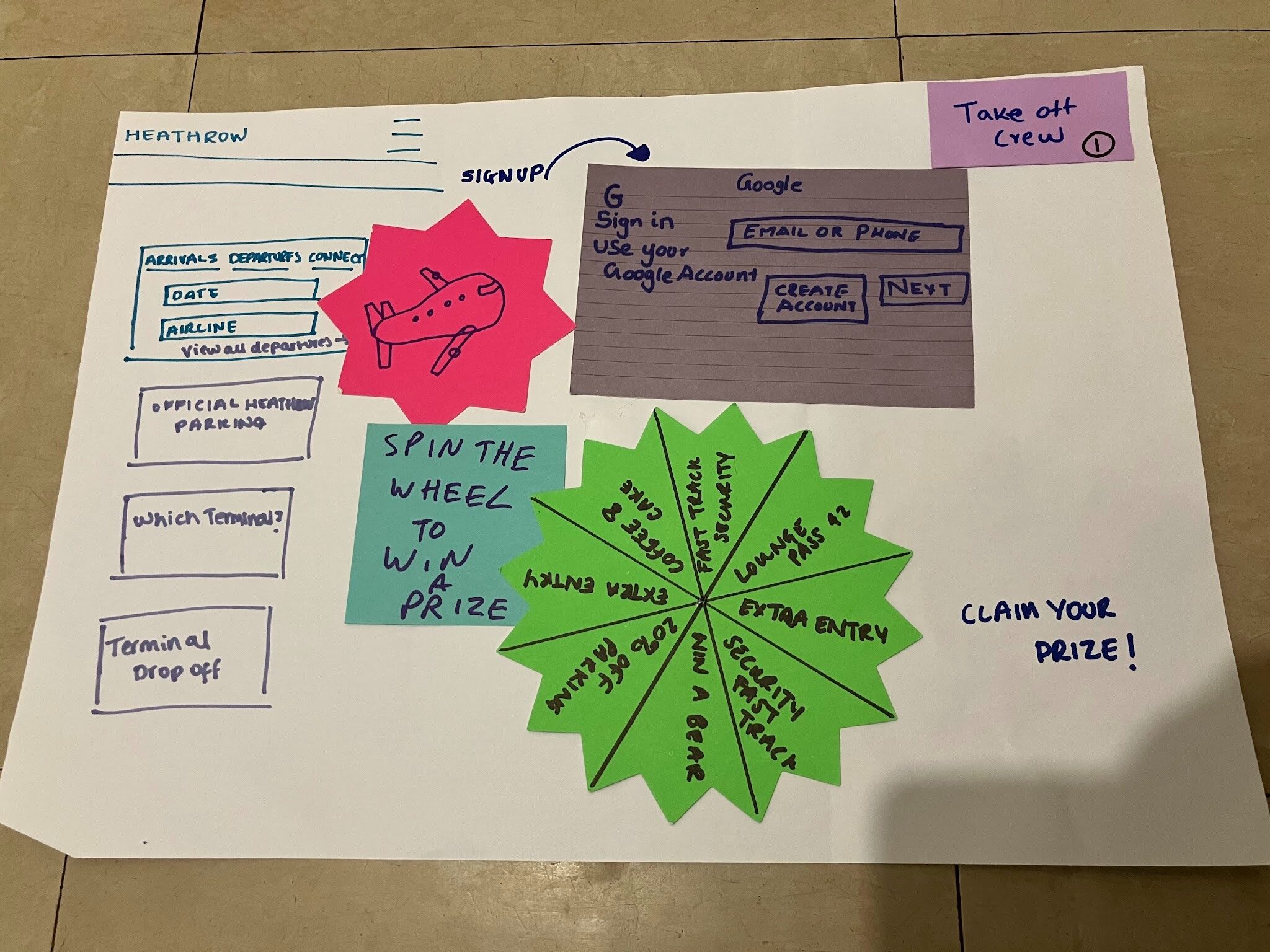
Some teams explored gamified mechanics, including “spin the wheel to win” concepts, while others focused on more considered service improvements and detailed journey redesigns. Every idea was anchored to the customer insight uncovered earlier in the session, showing how a structured format can encourage creative thinking without losing sight of the original problem.
Why Experimentation Days Work
One of the most valuable parts of running a day like this is watching what happens when people from different organisations, backgrounds, and disciplines collaborate.
Everyone approaches a problem differently. Someone asks a question nobody else had considered. Someone else challenges an assumption the group had quietly accepted. A fresh perspective sends the whole conversation in a new direction.
These moments are hard to manufacture within a single team, but they happen naturally when you bring together people who share a genuine interest in improving customer experience.
While we regularly run this format internally with individual clients, hosting external, cross-industry sessions creates a different kind of value: a chance for practitioners across a sector to learn from each other, challenge one another’s thinking, and walk away with ideas they wouldn’t have reached alone.
The Winning Concept
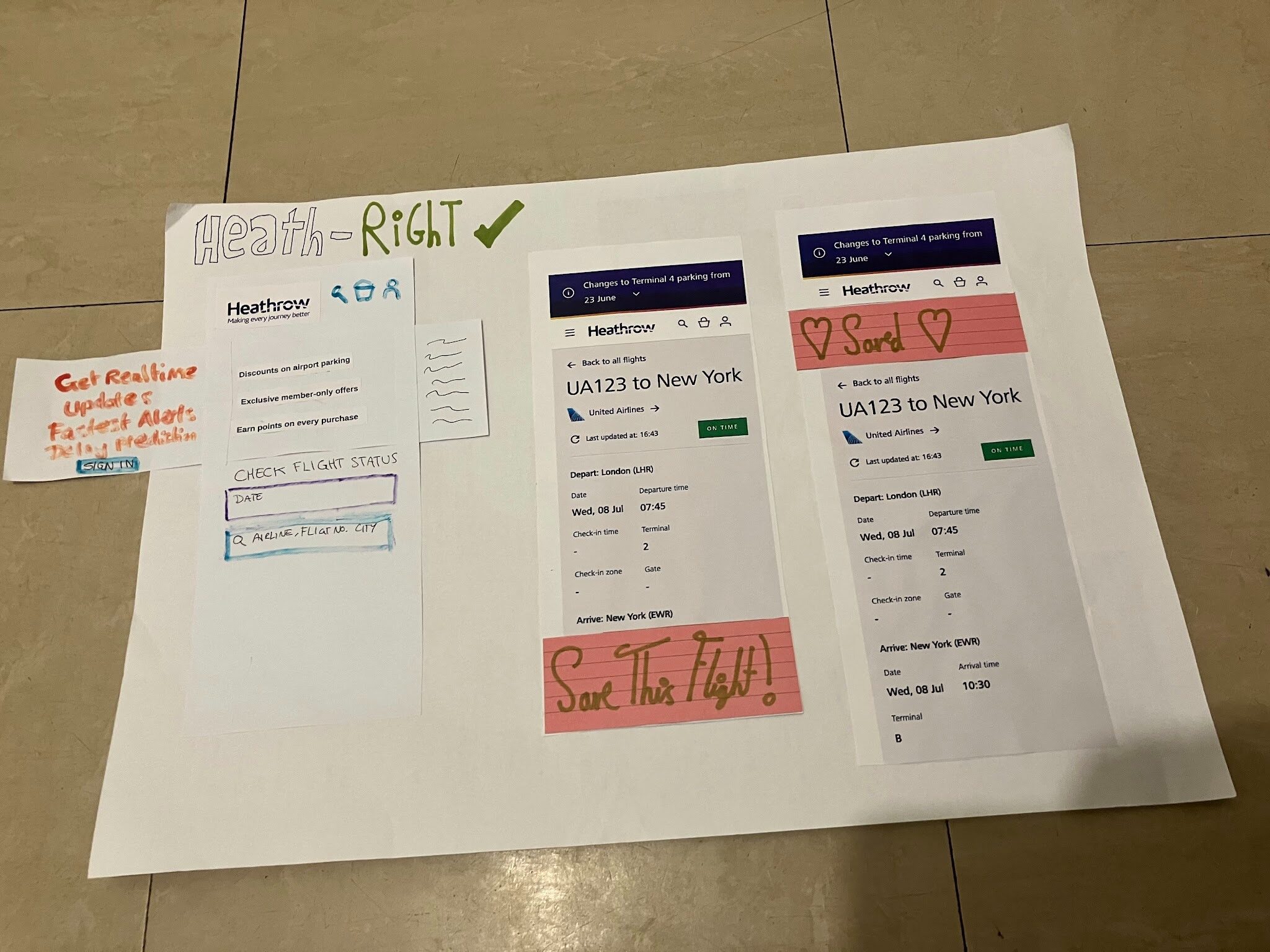
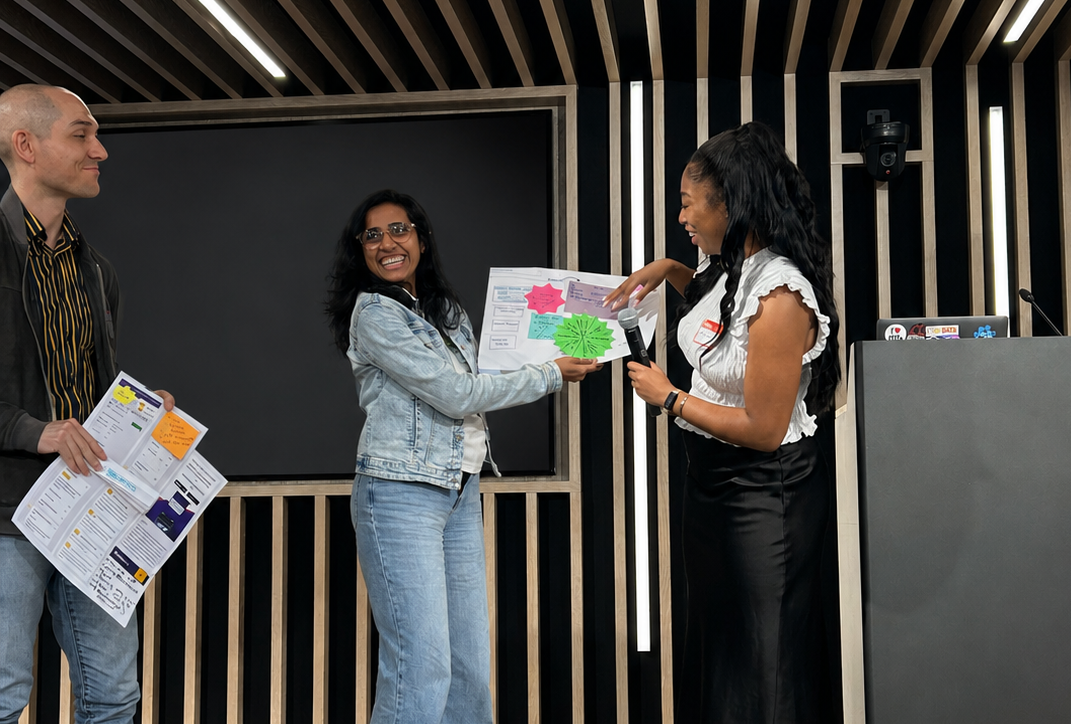
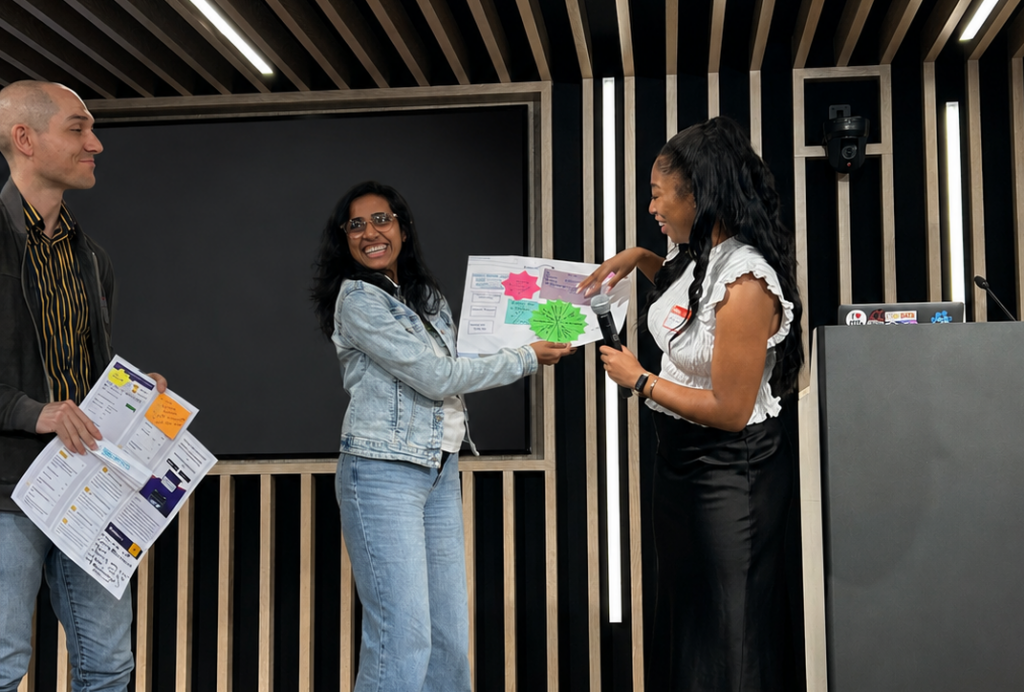
At the end of the session, each team pitched their proposed solution, demonstrating how they’d used customer insight and collaborative ideation to tackle the challenge.
The winning team, ‘Heath-Right,’ impressed the judges with a concept built around increasing My Heathrow adoption by making its value far more visible throughout the customer journey. Their proposal included:
- Giving My Heathrow greater prominence within the homepage hero carousel, with clear messaging around real-time flight updates, faster alerts, and delay predictions alongside a direct sign-up call to action.
- Letting customers save flight details without creating an account first, then using return visits as a natural moment to introduce the added benefits of registering.
- Offering an immediate incentive to sign up, such as complimentary fast-track security or lounge access, giving customers a tangible reason to create an account on the spot.
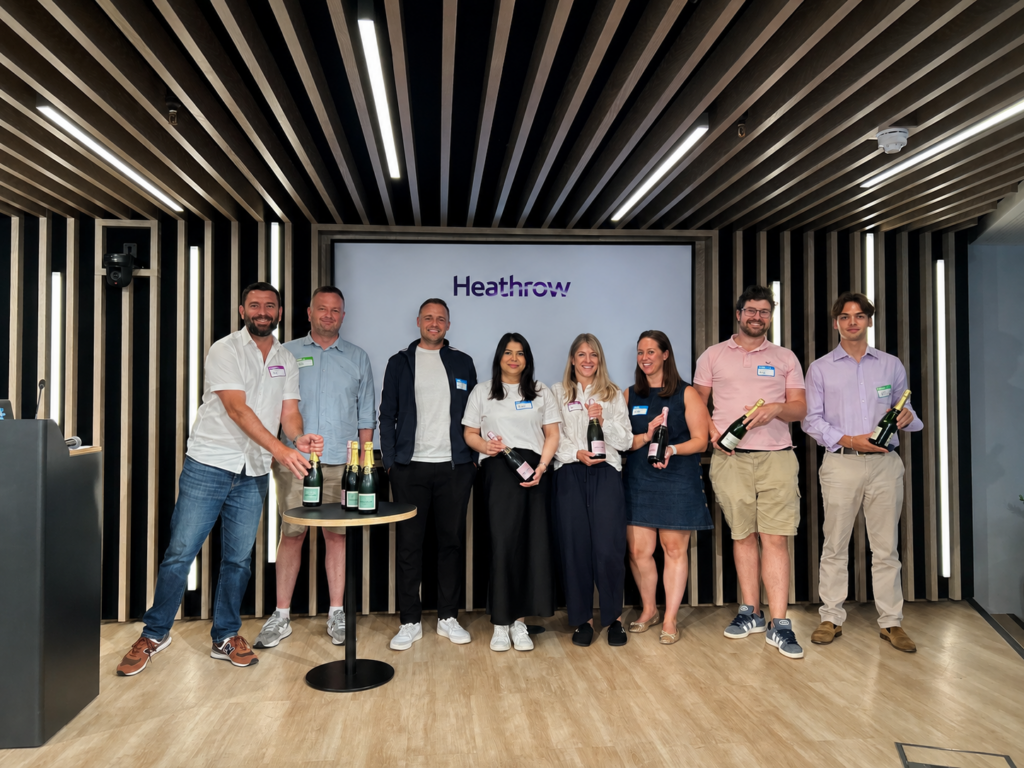
While every team approached the challenge differently, Heath-Right’s solution stood out for combining customer insight with practical, evidence-led ideas that balanced customer value with business objectives.
The Value of an Experimentation Day
The Heathrow session showed what’s possible when customer insight, cross-team collaboration, and structured experimentation come together in one room. Bringing together practitioners from across travel and hospitality created space to challenge assumptions, compare perspectives, and build ideas on evidence rather than opinion.
Every team approached the challenge differently, yet each solution reflected the same genuine goal: improving the customer experience by solving a real customer problem.
That problem-first mindset underpins every workshop we run at Creative CX, whether we’re working with a single organisation or bringing together practitioners from across an industry. The aim stays consistent: help teams uncover meaningful opportunities, build stronger ideas, and gain confidence in the decisions that follow.
If you’re looking to accelerate your experimentation programme, align your team around real customer problems, or explore new growth opportunities, an experimentation day can give you the structure, collaboration, and evidence needed to move forward with confidence.
Get in touch if you’d like to find out more.