
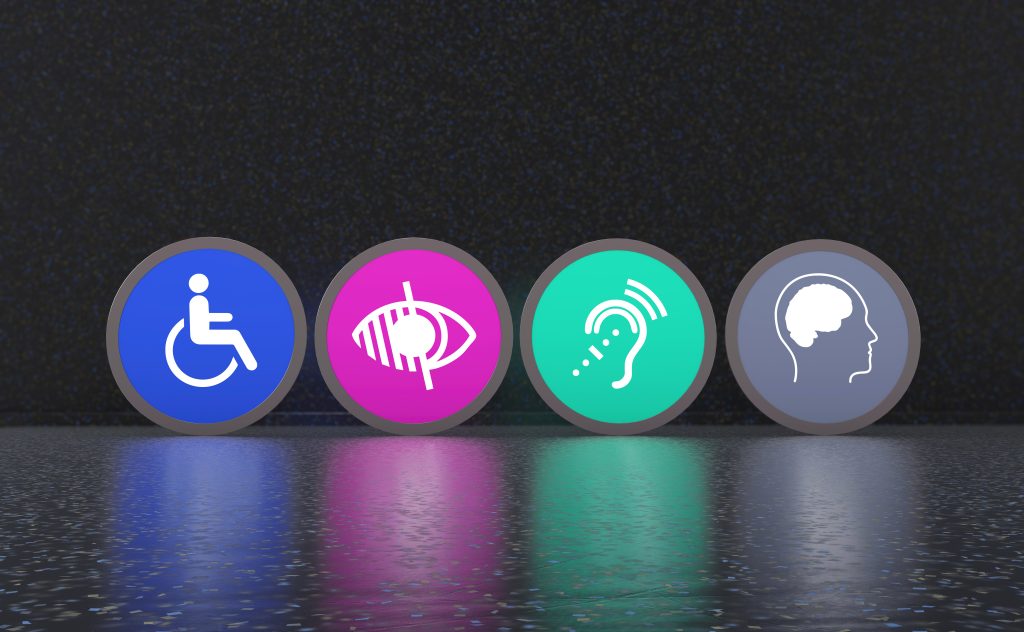
For too long, accessibility has been treated as a “nice to have,” deprioritised until after launch, or reserved for a small minority of users.
In reality, accessibility is a baseline usability standard for a much larger share of users, many of whom may never become customers if those needs aren’t met.
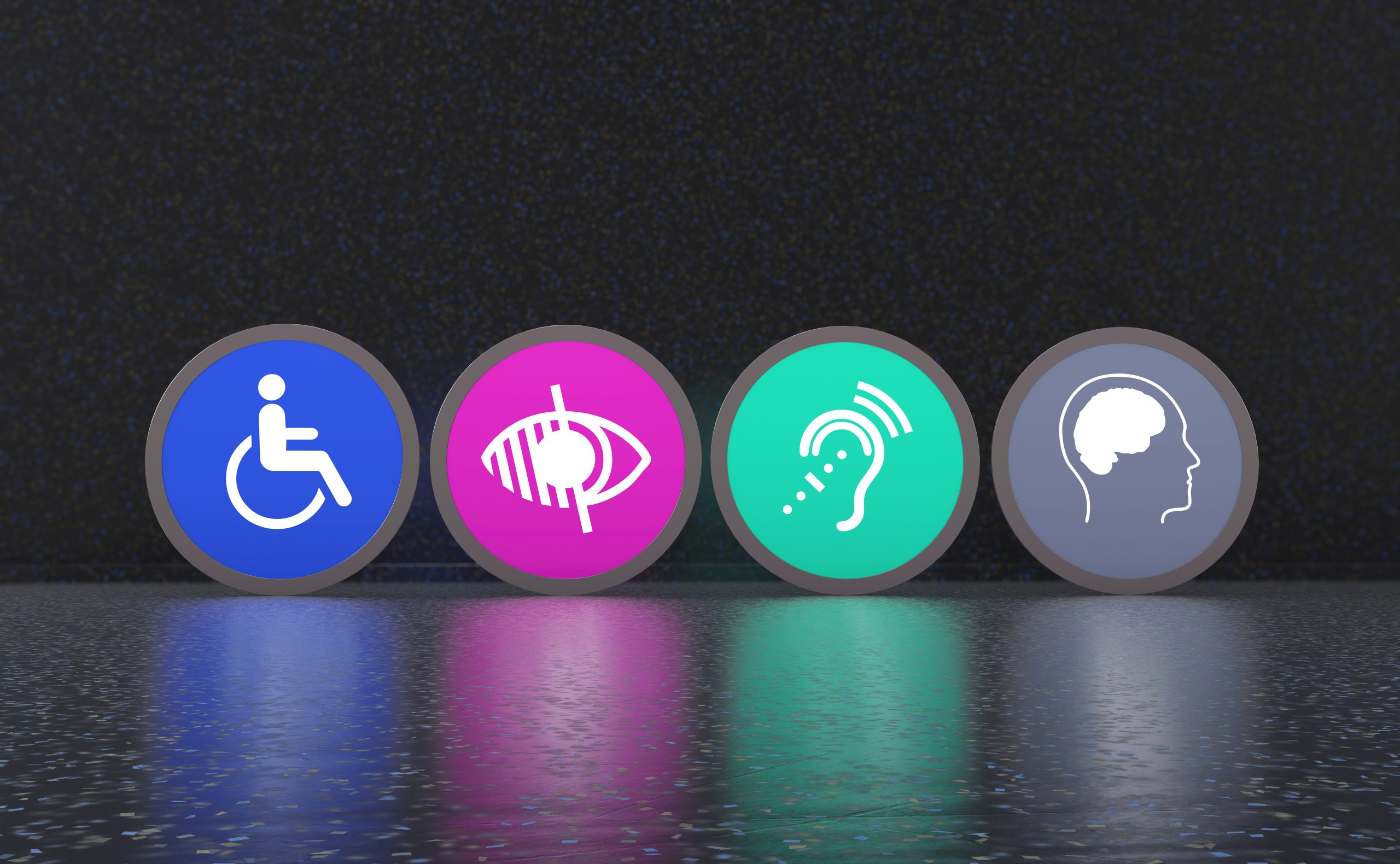
What many organisations still overlook is that most accessibility needs are non-visible.
An estimated 70 to 80% of disabilities are non-visible, meaning users may require support that is not obvious at first glance.
Low literacy is also a significant barrier for many people.
Alongside mobility or dexterity challenges, accessibility quickly becomes a mainstream concern rather than a nice one.
Accessibility determines whether users can complete everyday tasks online, such as reading policy information, comparing cover, completing forms, or finding help when they need it.
Why Accessibility is Moving up the Agenda
Three forces are pushing accessibility from “nice to have” to “must do”:
- Audience reality: your target market already includes a large proportion of people with accessibility needs, including those with hidden needs.
- Regulation: the European Accessibility Act and the Equality Act require a duty to make reasonable adjustments.
- Brand expectation: Inclusive design is increasingly viewed as basic competence. Across our qualitative research, we see that when accessibility considerations are missing, participants notice, and it influences how they assess brand competence and credibility.
Even when compliance is the immediate driver, the upside goes far beyond risk reduction.
Accessible experiences reduce friction for everyone and widen participation among users who already sit squarely within the target audience.
Automated Tools Are Not Enough
Automated accessibility scanning tools are useful for speed and coverage, but they can’t answer the most important question: “Does this actually work for users?”
Tools such as WAVE, Lighthouse, and BrowserStack flag many common accessibility issues, but they are designed to support human review, not replace it.
Government guidance also makes clear that automated testing has limitations and will not uncover every problem.
In practice, the gaps are usually about context:
- Tap targets may be technically compliant, but still difficult to find
- Screen readers may read content, but fail to convey structure or intent clearly
- Copy may be correct, but too dense or jargon-heavy for lower-literacy or lower-confidence users to understand entirely
These issues rarely show up in automated reports, yet they have a disproportionate impact on real users.
How Accessibility Improves Experimentation and A/B Testing
In experimentation, accessibility isn’t just an ethical or compliance concern. It directly affects data quality.
When experiences are inaccessible, teams see:
- Biased samples: users who rely on assistive tech, keyboard navigation, or clearer language are more likely to drop out, so your “winner” may be winning by exclusion
- Noisy results: friction unrelated to the hypothesis inflates abandonment and muddies the signal
- False confidence: you may ship a “better” variant that performs well for some users but silently harms others
Accessible design reduces these risks by widening participation and making experiment results more representative of the real audience.
Conclusion: Accessibility is Mainstream
Given the scale of disability and non-visible needs, plus the reality of low literacy and dexterity challenges, accessibility is not a specialised topic. It is the mainstream usability requirement.
Waiting has a cost.
It’s more expensive and often very difficult to retrofit accessibility after design and build, and it is riskier to wait for customer complaints or regulatory attention when the issues are already preventable.
In our client work, we consistently see stronger outcomes when accessibility is embedded into how quality is defined, rather than approached as an afterthought.
In part two, we look at accessibility in practice through two case studies, showing how auditing and user research led to clear, actionable improvements.
Get in touch today to explore how accessibility can strengthen your experimentation and deliver better insights for all users.